My Mission:
Rigorous, Accessible Sustainability Education for All Students
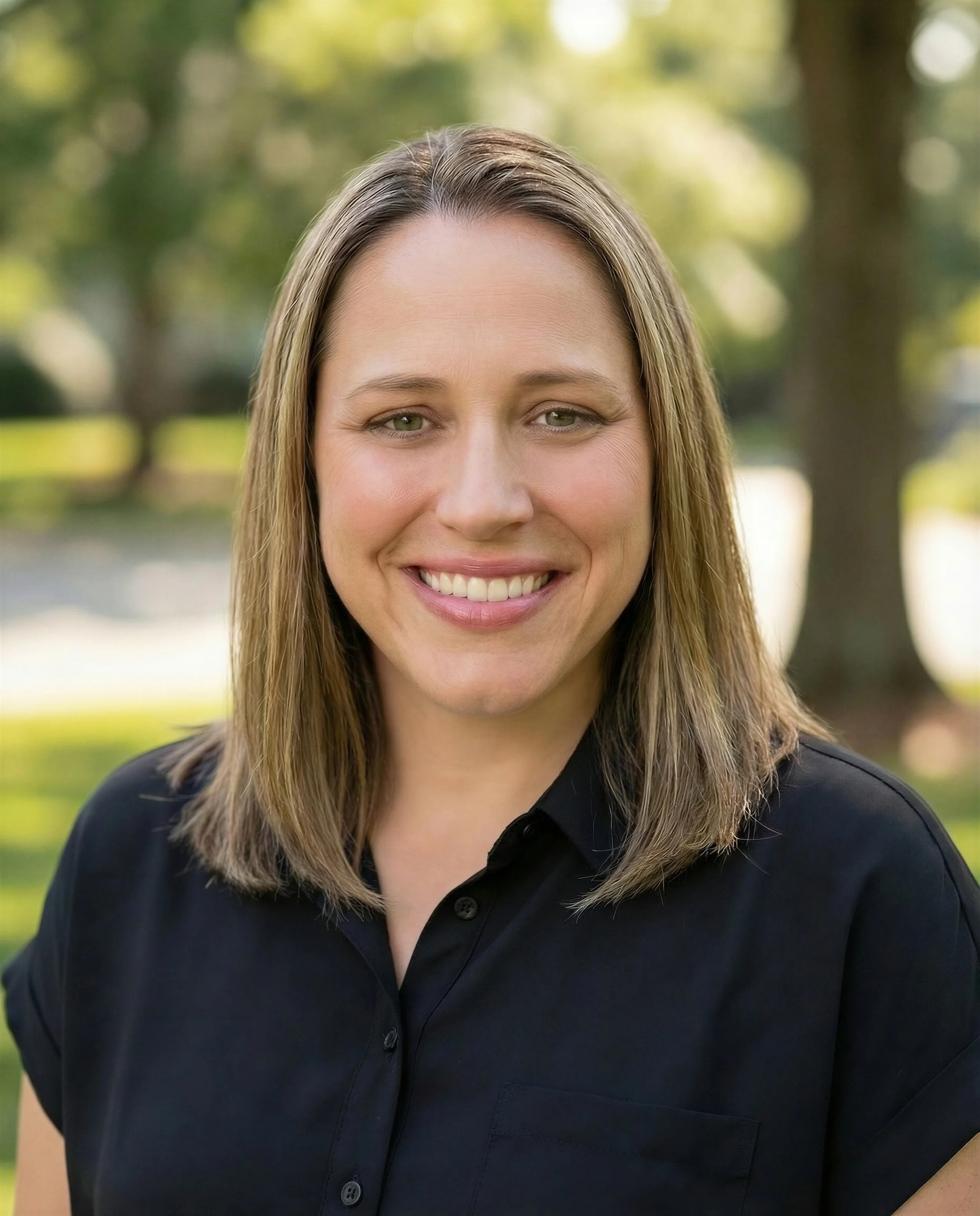
I have spent more than fifteen years in education. Over the years, I have moved between classrooms and conference rooms, writing curriculum and building programs from the ground up. I have survived parent emails, faculty meetings, and nearly every next best thing education has cycled through. I have seen a lot. Some of it mattered. Some of it did not.
This work began with a genuine passion for sustainability and an honest frustration with the difficulty of finding resources that actually worked in a real classroom.
Where This Work Began
The Shift that Changed Everything
When I became a sustainability teacher, something shifted. Not just professionally, but personally. It was the kind of shift that follows you home. I started paying attention to what I put on my plate and what I put in my shopping cart. Sustainability stopped being a subject I taught and became a lens I lived through.
So I went looking for resources. What I found was environmental education and STEM doing important work, but neither fully answered the question I was actually asking:
How can we help students understand the systems that shape the world around them
and think critically about the future?
Why Sustainability Education in K–12 Still Has a Gap
Sustainability education in the United States is still uneven. That is not criticism. It is simply where we are. I built something to help fill the gap.
SustainCEL is the result…the framework I wish I had when I started. It is a practical, standards-aligned approach that helps educators integrate sustainability thinking into everyday learning while giving students the tools to investigate real problems and design solutions that matter.
Because sustainability is not just something students should learn about. It is something they should learn to live.
Most Frameworks Tell You What to Teach.
SustainCEL Tells You How.
Most sustainability education resources are very good at defining the destination. They tell you what students should understand and what the world needs from the next generation.
What they don’t always give you is a way to get there in a real classroom, on a real Tuesday, with real students in front of you. That gap is where SustainCEL lives.
Built into the framework is Design Thinking, not as a concept to be studied, but as a scaffolded process students actually use. It provides teachers with a repeatable avenue for transforming sustainability content into genuine inquiry and action.
Students define a real problem.
Students research and brainstorm using data/facts.
Students ideate, prototype, test, and refine.
Want to Learn More About SustainCEL?